Remembering Harry Snyder: Mr. In-N-Out

By Steve Beard

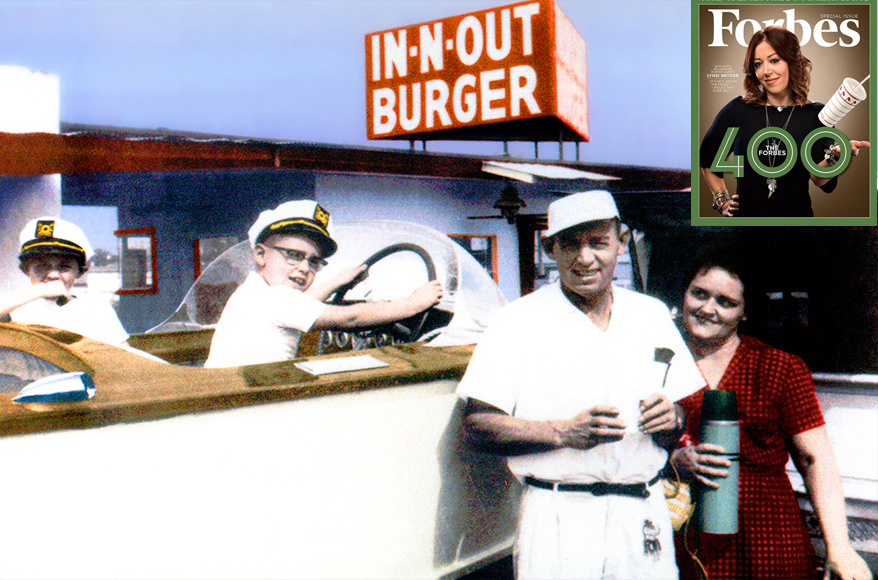
“No Microwaves, No Freezers, No Heat Lamps.” Happy Birthday to Harry Snyder, co-founder of my beloved In-N-Out. While I happily live in Whataburger territory, I’m an unrepentant hustler for the Animal Style Double-Double. So was the late Anthony Bourdain. He described the Double-Double as a “ballistic missile … a perfectly designed protein delivery system.”

Look, debate amongst yourselves all you want: McDonald’s vs. Burger King, Shake Shack vs. Five Guys, Wendy’s vs. Jack In the Box. Leave me out of it. In this debate, I’m a lover, not a fighter. Just get me to In-N-Out, my Southern California comfort food feeding trough. When I fly home to Orange County, my first stop from the airport is In-N-Out. Go ahead, ask my mom and dad.

In-N-Out is now owned by the granddaughter of its founders, Harry Snyder (1913-1976) and his wife Esther (1920-2006). It does not franchise – no matter what the offer. The company is worth about $3 billion and CEO ” is the 38-year-old granddaughter. She appeared on the cover of Forbes in 2018. Continue reading

Posted in Uncategorized | Tagged , , , | Leave a comment

Happy Birthday Queen Lili’uokalani

September 2, 1838 – November 11, 1917

By Steve Beard

Queen Liliʻuokalani was the first queen regnant of the Kingdom of Hawaii and its last sovereign monarch (1838-1917). She ruled from January 29, 1891, until her overthrow in January 17, 1893, by unscrupulous sugar barons. While Queen Lili’uokalani had her own armed soldiers at her command, she chose a peaceful resolution in hopes that the situation would be resolved without violence.

She appealed to the U.S. government about the toppling of her reign and found a sympathetic ear with President Grover Cleveland. Though he lobbied for her rightful return to power, annexation of Hawaii was enacted in 1898 by the U.S. Senate and Queen Lili’uokalani was placed under house arrest while non-Hawaiians ruled the islands. It is a painful story to read if you believe in self-rule, liberty, and justice (highly recommended is “Lost Kingdom: Hawaii’s Last Queen, the Sugar Kings, and America’s First Imperial Adventure” by Julia Flynn Siler). Continue reading

Posted in Uncategorized | Leave a comment

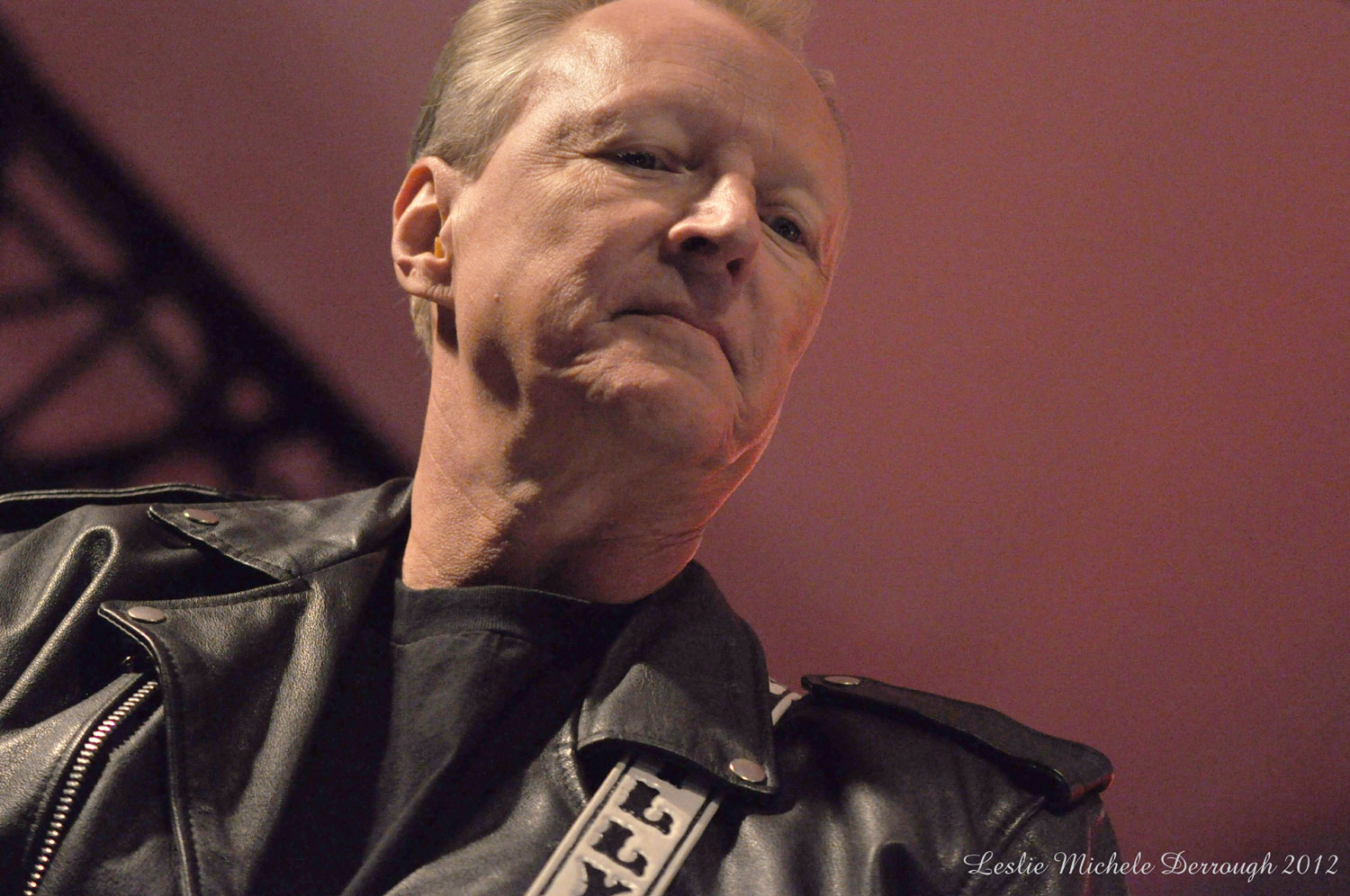
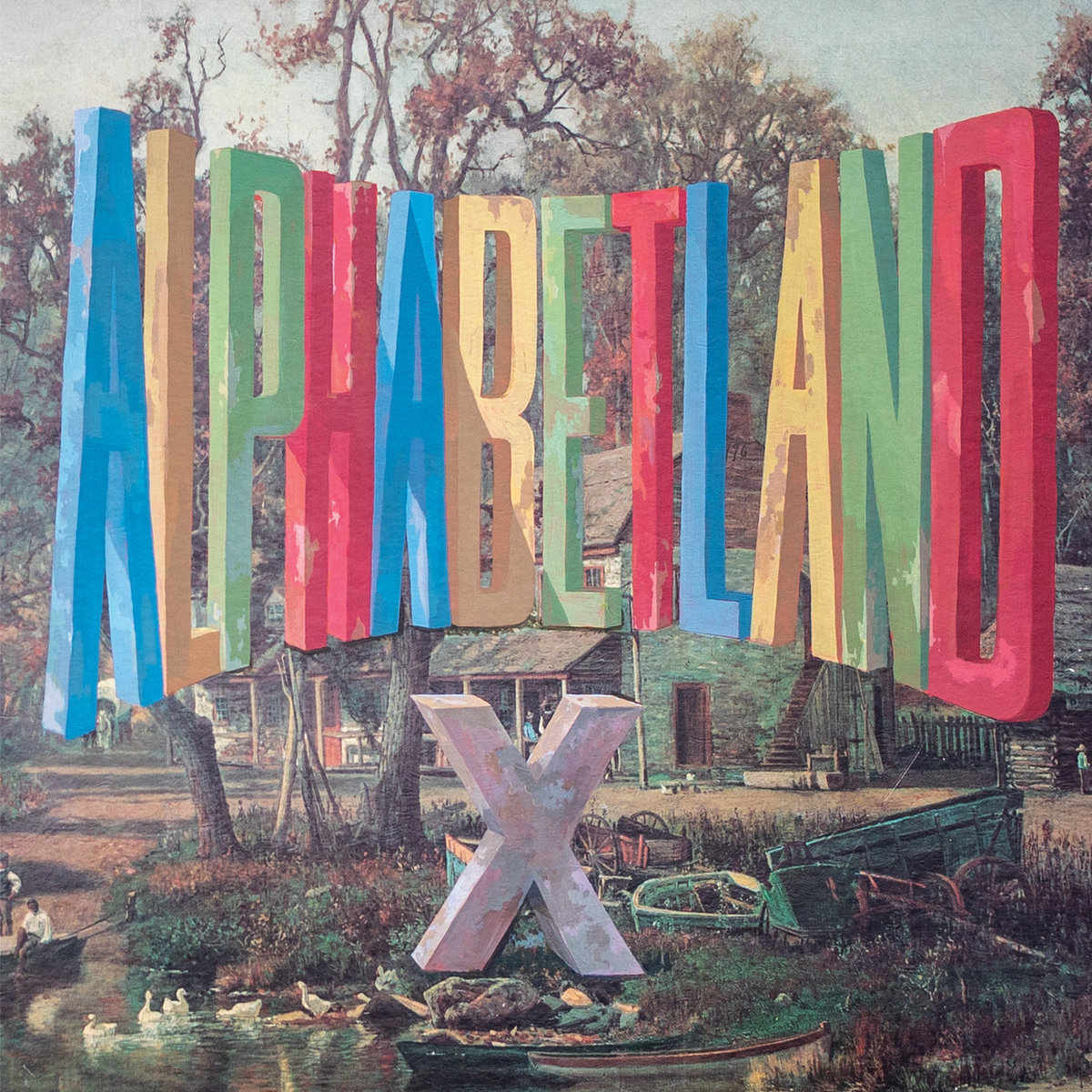
Billy Zoom of X on his band’s history and Alphabetland

PHOTO: Leslie Michele Derrough

By Leslie Michele Derrough, Glide Magazine

Billy Zoom is in his shed. Chances are, though, his shed is a lot cooler than my shed or your shed.I’m picturing a room with lots of cool guitar gadgets, perhaps a TV and a comfy chair, away from the bustle of a household that includes teenaged twins. With coronavirus out there in the world, Zoom is probably a lot more normal nowadays, more like you and I, than the punk rock legend from X that is usually out on the road playing in sweaty clubs to happy fans. “I’m trying to get caught up,” Zoom told me about his pandemic activities. “You can’t go anywhere. I have this to-do list that I was up to the end of 2014 when the pandemic started so I’ve just been going down that list. I think I’m up to about 2017 at this point. Our governor shut us down again this week but I’m pretty socially distant to begin with so it’s not that hard on me. I go back and forth between the house and my studio, that’s about it.”

X, the perennial punk band that exploded out of Los Angeles in the late seventies, is not usually one to sit at home. They love and feed off of the excitement of the live music. They always have. With the exception of drummer DJ Bonebrake, the other members of X – John Doe, Exene Cervenka and Zoom – are all Midwesterners who made their way to the sun and scene of California, where they launched into their brand of punk after Zoom put out an ad looking for other musicians to play music with a different twist. “I give Billy Zoom most of the credit for including rockabilly in punk rock music,”Doe explained during a 2017 interview with Glide. “The Cramps did it to a degree but with the kind of guitar playing that Billy had or does, nobody else did that at that time. And I think he did it because that’s what he knew. Like for the intro to ‘Johnny Hit & Run Pauline,’ which is a takeoff on Chuck Berry’s ‘Promised Land’ intro, I think he just did it on a whim.” Continue reading

Posted in Uncategorized | Leave a comment

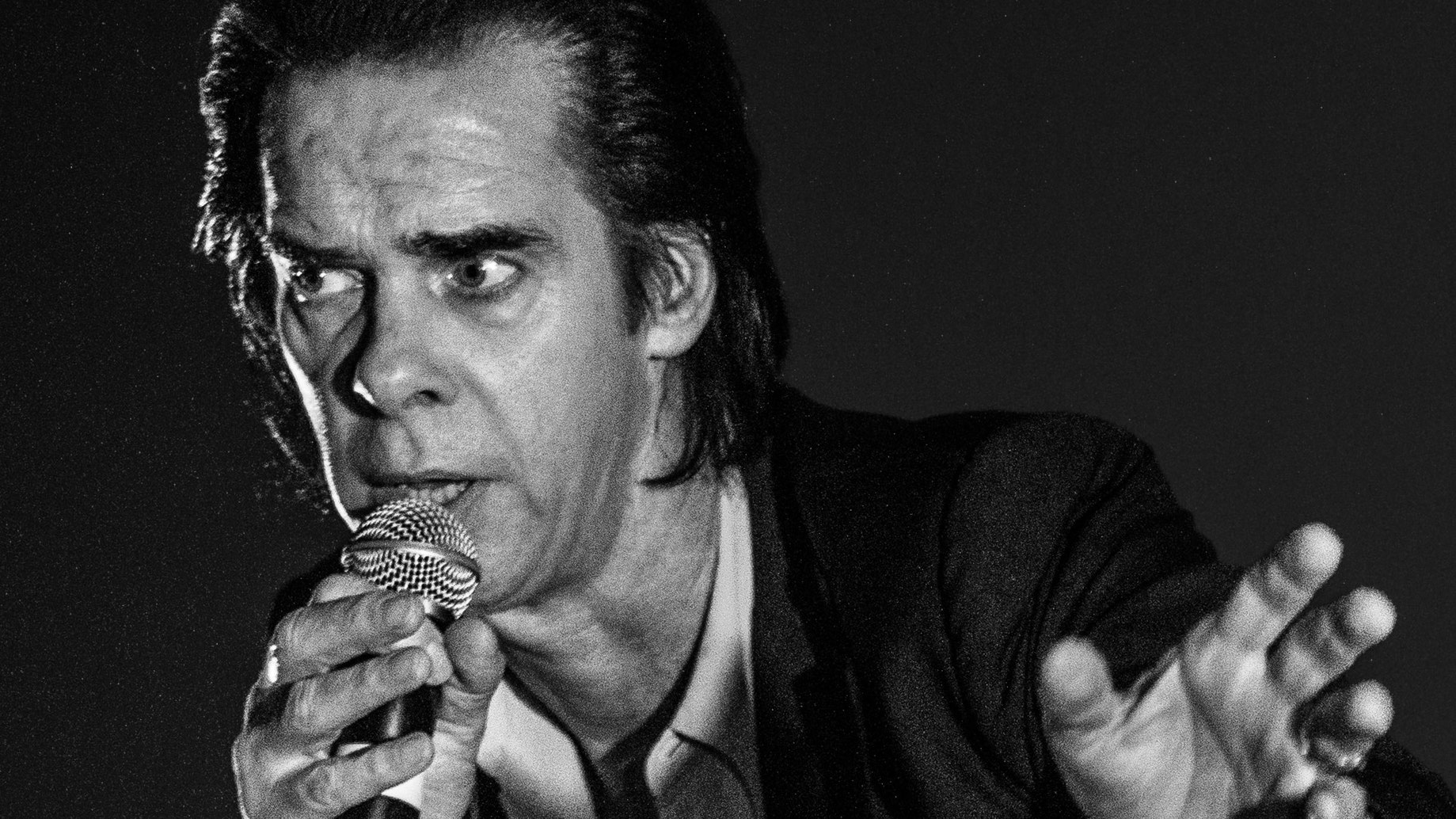
Nick Cave: Political correctness has grown to become the unhappiest religion in the world.

Nick Cave fans recently asked the rocker about his thoughts on mercy and “culture culture.”

“Mercy is a value that should be at the heart of any functioning and tolerant society. Mercy ultimately acknowledges that we are all imperfect and in doing so allows us the oxygen to breathe — to feel protected within a society, through our mutual fallibility,” he said on his website The Red Hand Files. “Without mercy a society loses its soul, and devours itself.”

“Mercy allows us the ability to engage openly in free-ranging conversation — an expansion of collective discovery toward a common good,” he said. “If mercy is our guide we have a safety net of mutual consideration, and we can, to quote Oscar Wilde, ‘play gracefully with ideas.’”

Cave concluded, “Yet mercy is not a given. It is a value we must nurture and aspire to. Tolerance allows the spirit of enquiry the confidence to roam freely, to make mistakes, to self-correct, to be bold, to dare to doubt and in the process to chance upon new and more advanced ideas. Without mercy society grows inflexible, fearful, vindictive and humourless.”

The rocker also responded to a fan question about “cancel culture” — a recent cultural phenomenon.  “As far as I can see, cancel culture is mercy’s antithesis. Political correctness has grown to become the unhappiest religion in the world,” Cave said. “Its once honourable attempt to reimagine our society in a more equitable way now embodies all the worst aspects that religion has to offer (and none of the beauty) — moral certainty and self-righteousness shorn even of the capacity for redemption. It has become quite literally, bad religion run amuck.

“Cancel culture’s refusal to engage with uncomfortable ideas has an asphyxiating effect on the creative soul of a society. Compassion is the primary experience — the heart event — out of which emerges the genius and generosity of the imagination. Creativity is an act of love that can knock up against our most foundational beliefs, and in doing so brings forth fresh ways of seeing the world. This is both the function and glory of art and ideas. A force that finds its meaning in the cancellation of these difficult ideas hampers the creative spirit of a society and strikes at the complex and diverse nature of its culture.

“But this is where we are. We are a culture in transition, and it may be that we are heading toward a more equal society — I don’t know — but what essential values will we forfeit in the process?”

Posted in Uncategorized | Leave a comment

John Lewis, RIP

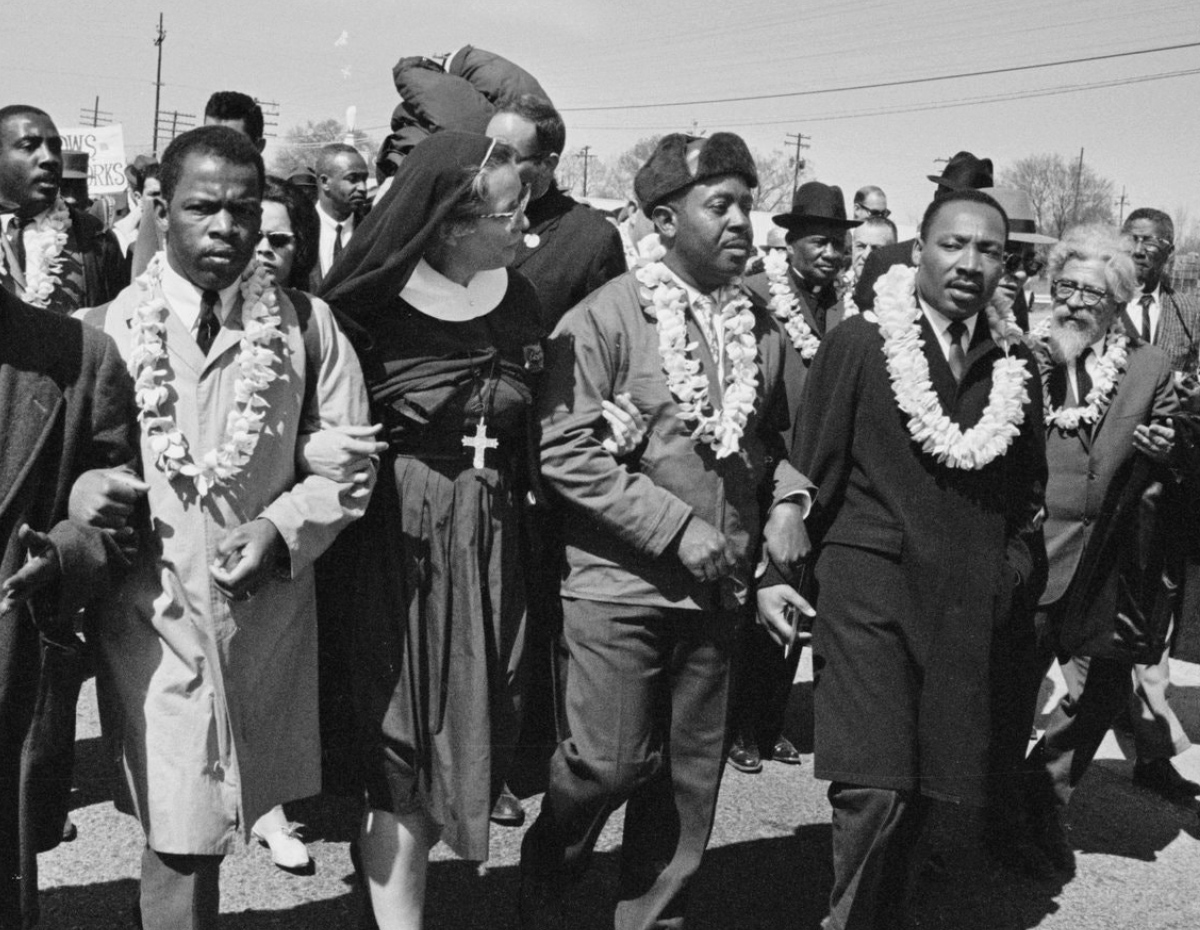
Mr. Lewis, left, marching with the Rev. Dr. Martin Luther King Jr., right, from Selma to Montgomery, Ala., on March 21, 1965.Credit…William Lovelace/Daily Express, via Getty Images

“Do not get lost in a sea of despair. Be hopeful, be optimistic. Our struggle is not the struggle of a day, a week, a month, or a year, it is the struggle of a lifetime. Never, ever be afraid to make some noise and get in good trouble, necessary trouble.”

–John Lewis

By Katharine Q. Seeyle, New York Times

Representative John Lewis, a son of sharecroppers and an apostle of nonviolence who was bloodied at Selma and across the Jim Crow South in the historic struggle for racial equality, and who then carried a mantle of moral authority into Congress, died on Friday, July 17. He was 80. …

On the front lines of the bloody campaign to end Jim Crow laws, with blows to his body and a fractured skull to prove it, Mr. Lewis was a valiant stalwart of the civil rights movement and the last surviving speaker from the March on Washington for Jobs and Freedom in 1963.

More than a half-century later, after the killing in May of George Floyd, a Black man in police custody in Minneapolis, Mr. Lewis welcomed the resulting global demonstrations against police killings of Black people and, more broadly, against systemic racism in many corners of society. He saw those protests as a continuation of his life’s work, though his illness had left him to watch from the sidelines. Continue reading

Posted in Uncategorized | Leave a comment

Barren Table Faith: Charles Tindley

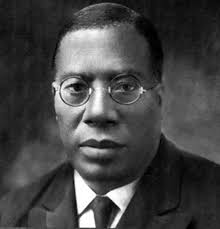
Charles Tindley.
Charles L. Blockson Afro-American Collection, Temple University Libraries, Philadelphia, Pa.

By Steve Beard

Charles Albert Tindley arrived for his first pastoral appointment in Cape May, New Jersey, in the middle of a snow storm. With small children to feed, Charles and his wife had only a stale piece of bread. As parents, they dipped the bread in water to soften it for the kids.

Charles asked his wife to set the table as if there was food for breakfast. Swallowing her reluctance, she agreed to do as he asked. As the story has been relayed by his youngest son, the parents got on their knees to thank God for their lives, their health, for the snow storm, and the rising sun in the morning.

“Not once did he complain about the shortage of provisions, but thanked God for what they had,” E.T. Tindley writes. They got up from their knees and sat at the barren table. When they did, there was a loud commotion outside. They heard a man commanding a team of horses.

“Whoa! Whoa!” They then heard loud stomps on the front porch. “Hey! Is anybody alive here?”

Tindley opened the front door and was face to face with a man with a large sack on his shoulder. Dropping it to the floor with a thud, the stranger said: “Knowing you were the new parson here, and not knowing how you were making out in this storm, my wife and I thought you might need some food. I’ve a cartload of wood out here, too. I’ll dump it and be on my way.” Continue reading

Posted in Uncategorized | Tagged , , , | Leave a comment

Bubbling up with Red, White and Blue

Lava from Kīlauea on the island of Hawai‘i, from photographer Bruce Omori.

Happy Fourth of July! One of my favorite Red, White, and Blue images from Kīlauea on the island of Hawai‘i, from photographer Bruce Omori.

Posted in Uncategorized | Leave a comment

Long trek home

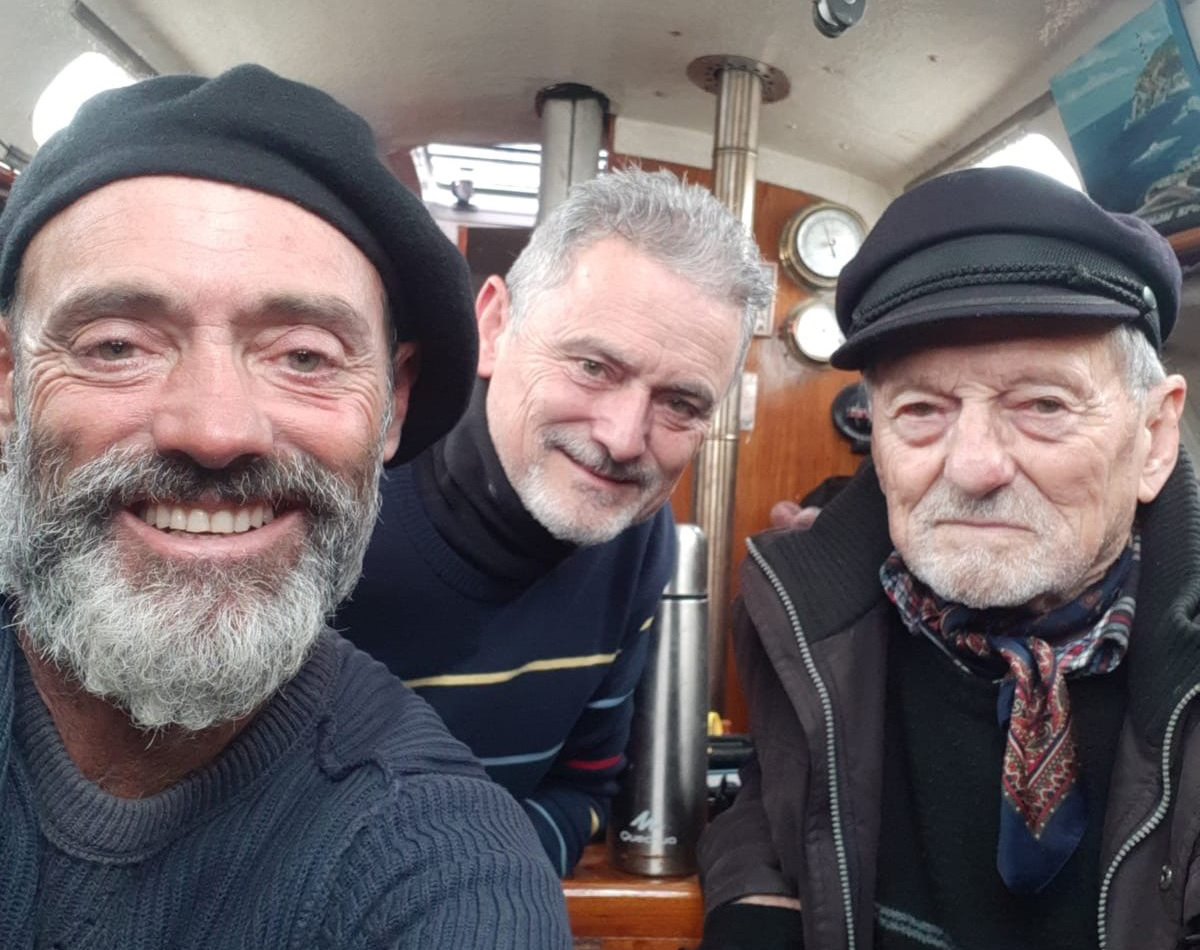
Mr. Ballestero, left, with his brother and his father, who turned 90 while his son was on his voyage. Credit…Juan Manuel Ballestero

Like few others, Juan Manuel Ballestero understands the long trek home. With all flights cancelled to return home in mid-March to Argentina for his father’s 90th birthday, he sailed 85 days across the Atlantic. He loaded his 29-foot sailboat with canned tuna, fruit, and rice and set sail. “I didn’t want to stay like a coward on an island where there were no cases,” Mr. Ballestero told the New York Times. “I wanted to do everything possible to return home. The most important thing for me was to be with my family.”

Seafaring is in his blood. He has been on fishing vessels captained by his father since he was three years old. 

In his solitary voyage, Ballestero experienced many difficulties. “On a particularly trying day, he turned to a bottle of whiskey for solace,” reported the Times. “But drinking only increased his anxiety. With his nerves frayed, Mr. Ballestero said he found himself praying and resetting his relationship with God.

“Faith keeps you standing in these situations,” Ballestero said. “I learned about myself; this voyage gave me lots of humility.” Continue reading

Posted in Uncategorized | Leave a comment

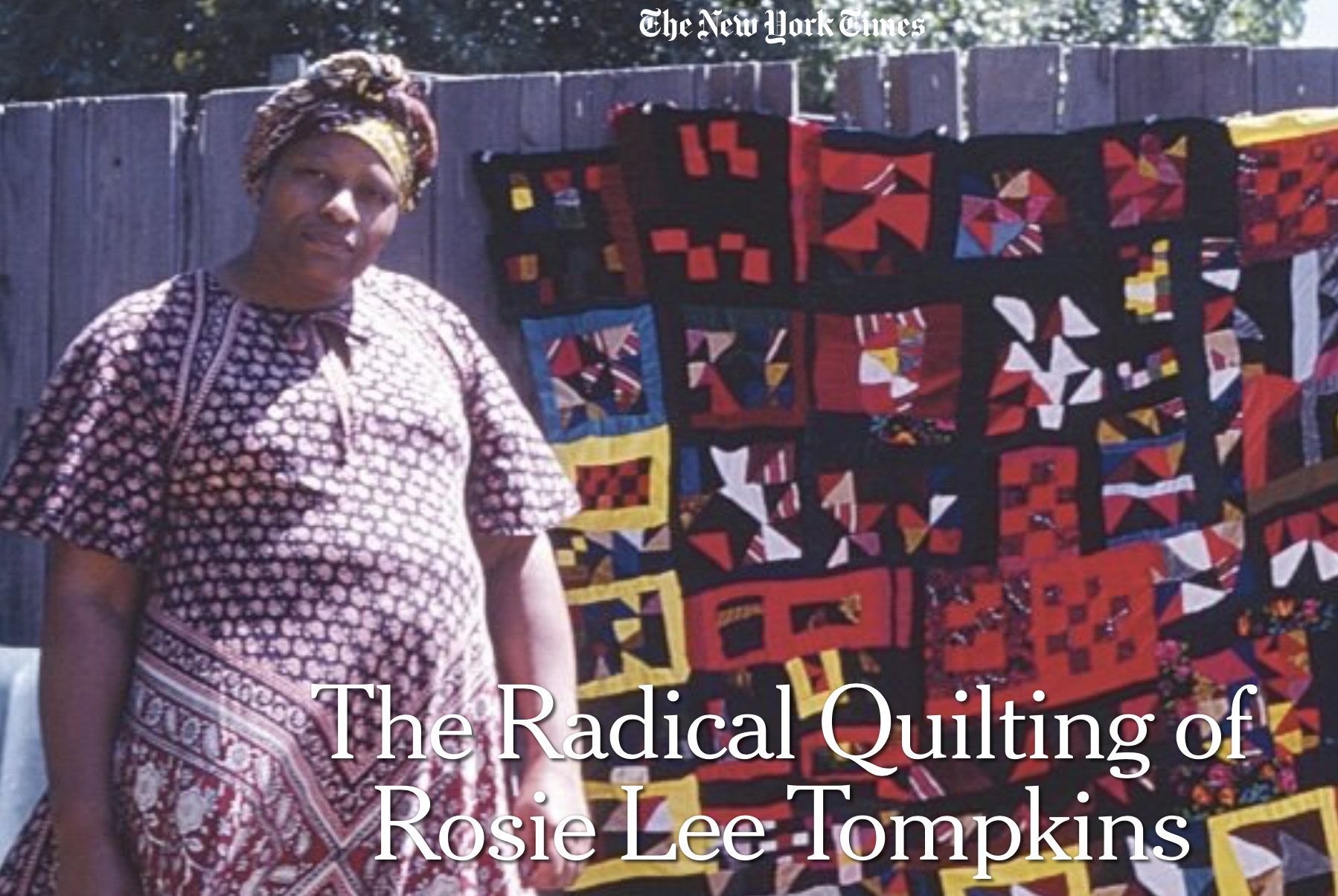
The mystical art of Rosa Lee Tompkins

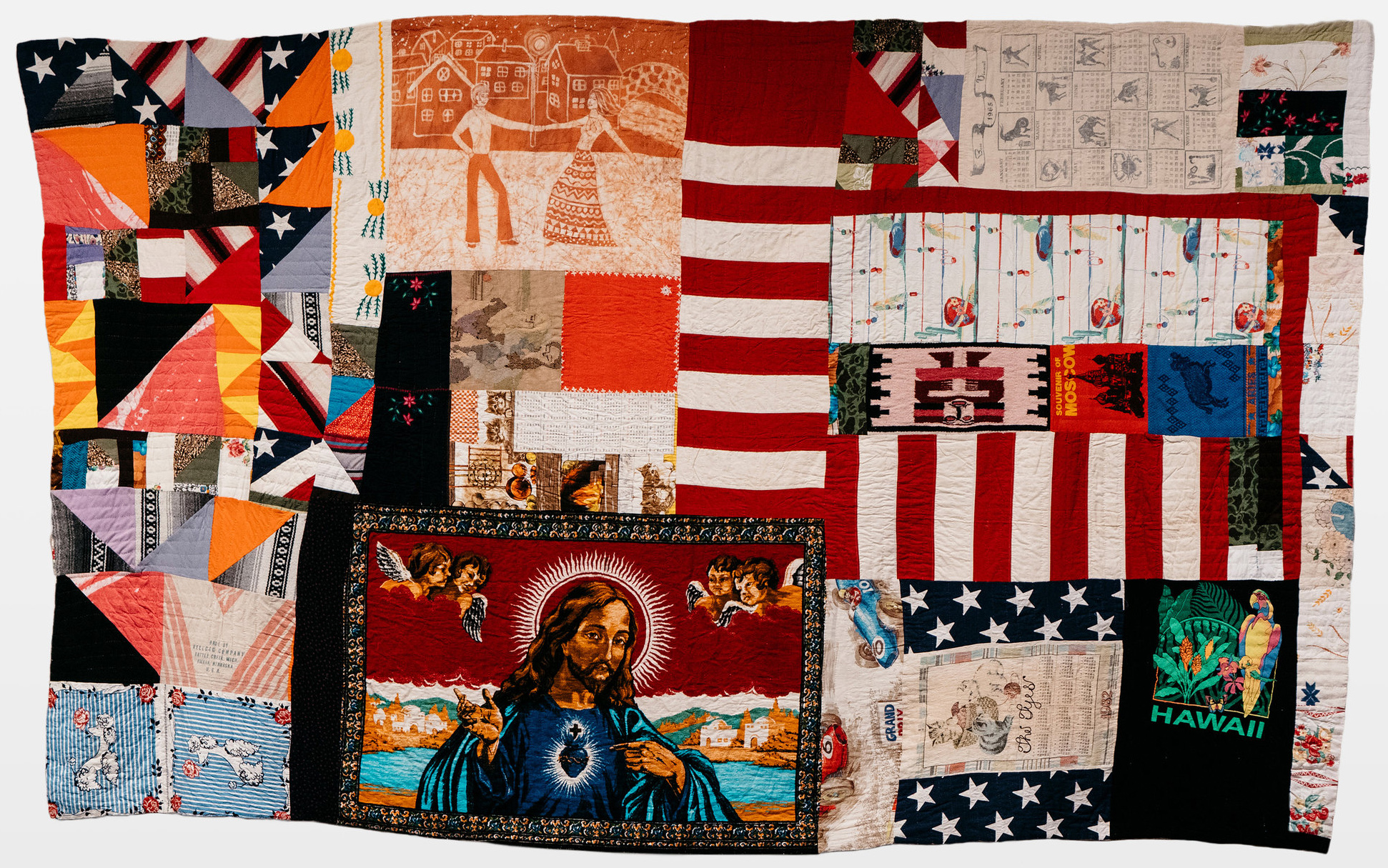
UC Berkeley Art Museum and Pacific Film Archive, Eli Leon Bequest; Justin T. Gellerson for The New York Times

“I think it’s because I love them so much that God let me see all these different colors,” Rosa Lee Tompkins once said of her quilting patchworks. “I hope they spread a lot of love.”

Tompkins’s quilts, observes New York Times art critic Roberta Smith, were “one of the century’s major artistic accomplishments, giving quilt-making a radical new articulation and emotional urgency. I felt I had been given a new standard against which to measure contemporary art.”
“Rosie Lee Tompkins” was actually born Effie Mae Martin in rural Arkansas in 1936. According to the Times profile, she was “fiercely private, deeply religious woman, who … was almost never photographed or interviewed.”

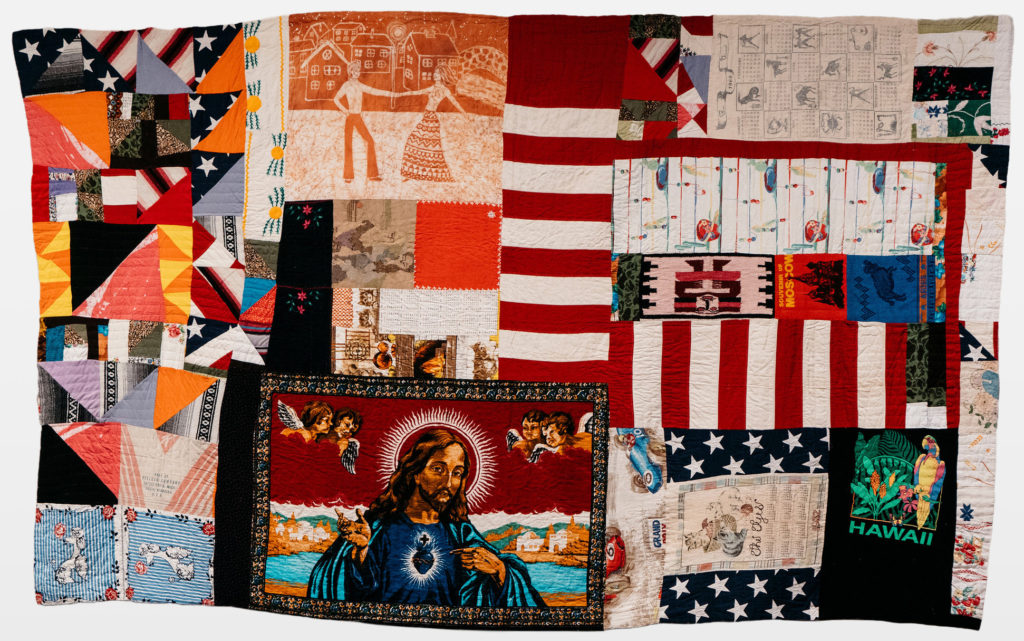
“A typical Tompkins quilt had an original, irresistible aliveness,” writes Smith. “One of her narrative works was 14 feet across, the size of small billboard. It appropriated whole dish towels printed with folkloric scenes, parts of a feed sack, and, most prominently, bright bold chunks of the American flag. What else? Bits of embroidery, Mexican textiles, fabrics printed with flamenco dancers and racing cars, hot pink batik and, front and center, a slightly cheesy manufactured tapestry of Jesus Christ. It seemed like a map of the melting pot of American culture and politics.”

Tompkins believed she was on a divine mission. “If people like my work,” she once said, “that means the love of Jesus Christ is still shining through what I’m doing.”

Tompkins had stellar imagination and creativity. “A remarkable early quilt from the 1970s is pieced almost entirely of blocks of found fabric embroidered with flowers — old and new, machine- and handmade,” writes Smith. “They bow to an ancient craft and, at the quilt’s center, a spare image of the risen Christ blessing. Above and to the right a circle of twisted bands and leaves suggests both a crown of thorns and a laurel wreath. Was Tompkins aware of this possible reading? Perhaps, but the main point is that her work is open to the viewer’s response and interpretation.”

To read the entire story, click HERE.
Posted in Uncategorized | Leave a comment

With ‘Chromatica,’ Lady Gaga comes home.

Excerpt from Colleen Dulle’s review of “Chromatica” in America Magazine:

Growing up in an Italian-American Catholic family, Gaga was formed with these ideas, and they continue to appear in her art and her public persona in ways both reverent and provocative. In a 2016 Instagram post, she thanked a New York priest for his homily, from which she quoted him saying the Eucharist is “not a prize for the perfect but the food that God gives us.” While it would be presumptuous to say Gaga consciously incorporated such themes into “Chromatica,” an incarnational imagination is evident in much of her healing from mental and physical trauma: A healing that, her lyrics and interviews show, is accomplished through a “radical acceptance” of the realities of her body and her humanity.

In “Chromatica,” that vital and healing restoration of the self to the body is accomplished through dance: a physical manifestation of one’s emotions, driven by the transcendent power of music described in her duet with Elton John, “Sine from Above.”

Entire review is HERE

Posted in Uncategorized | Leave a comment